
Planning Permission Rejected? Here Are 10 Things You Should Know
Getting your planning permission rejected can be frustrating, especially after investing time and money into a residential project. But a refusal does not necessarily mean the project is over. Understanding the reasons for refusal and the available next steps can help you decide whether to revise, resubmit or pursue another route.
London’s planning system can be complex, but early analysis usually improves decision-making. If you are reviewing a refusal or planning a new application, our planning service and pre-planning advice can help assess the proposal before the next submission.
1. You Have the Right to Appeal – And It's Free
One of the most important things to understand is that appealing a planning decision won’t cost you anything. The appeals process is completely free, which removes one barrier to challenging a decision you believe is unfair.
You can appeal on several grounds: if your application was refused for reasons that contradict the local planning authority’s development plan, if permission was granted with conditions you strongly object to, or if no decision was made within the required timeframe. The Planning Inspectorate handles all appeals independently from your local council, giving you a fresh perspective on your application.

2. Time Limits Are Absolutely Critical
This cannot be stressed enough – appeal deadlines are strict and non-negotiable. For householder applications (which most residential extensions fall under), you have just 12 weeks from the date of the decision notice to submit your appeal. Miss this deadline by even a day, and you lose your right to appeal entirely.
For standard planning applications, you get 6 months, but don’t assume your extension falls into this category. If your council failed to make a decision within 8 weeks, you can still appeal up to 6 months after the decision was originally due. Check your decision notice carefully and mark these dates in your calendar immediately.
3. Only You Can Appeal Your Own Application
Here’s something that catches many people off guard – only the original applicant can submit an appeal. Your architect, planning consultant, or family members cannot appeal on your behalf unless they were specifically listed as the applicant on the original submission.
Third parties like neighbors or local groups also cannot appeal planning decisions, even if they supported your application. This system is designed to prevent appeals being used as delaying tactics by opponents of development.
4. Understanding London's Unique Extension Challenges
London extensions face particular scrutiny that you won’t find in other parts of the UK. The density of development, conservation areas, proximity to neighbors, and strict design guidelines all create additional hurdles.
Common reasons for extension refusals in London include:
- 1. Failure to respect local character and existing architectural styles
- 2. Overlooking or loss of privacy for neighboring properties
- 3. Excessive bulk or scale relative to the existing property
- 4. Non-compliance with specific design guidelines for conservation areas
- 5. Insufficient parking provision or traffic impact concerns
Each London borough also has its own supplementary planning documents and design guides. What works in Camden might not fly in Richmond, so understanding your specific local context is crucial.

5. Consider Redesigning Before Appealing
While appeals are free, they’re not necessarily fast. The process typically takes 12-16 weeks for written representations, and potentially longer for hearings or inquiries. During this time, you’re in limbo – unable to start work and potentially facing changing regulations.
Sometimes, working with your local planning authority to address their specific concerns through design modifications can be faster and more cost-effective. Many successful applicants find that their second application, informed by the feedback from the refusal, gets approved more quickly than an appeal would have been decided.
Consider arranging a pre-application meeting with your planning officer to discuss potential modifications. This dialogue can reveal exactly what changes would make your proposal acceptable.
6. Planning Conditions Are Legally Binding Requirements
If you do receive approval – whether through appeal or reapplication – any conditions attached aren’t suggestions. They’re legal requirements that you must comply with, and violating them can result in enforcement action.
Typical conditions for London extensions include:
- 1. Time limits for starting and completing work
- 2. Strict adherence to approved plans and materials
- 3. Specific construction hours to minimize neighbor disruption
- 4. Requirements for specialist reports or consultations
- 5. Environmental mitigation measures
Some conditions must be discharged before you start work, while others apply during construction or upon completion. Understanding these requirements upfront prevents costly delays later.
7. Small Changes Often Still Need Permission
One of the biggest mistakes London homeowners make is assuming that minor alterations don’t require planning permission. This assumption frequently leads to enforcement problems that are much more expensive to resolve than getting proper permission upfront.
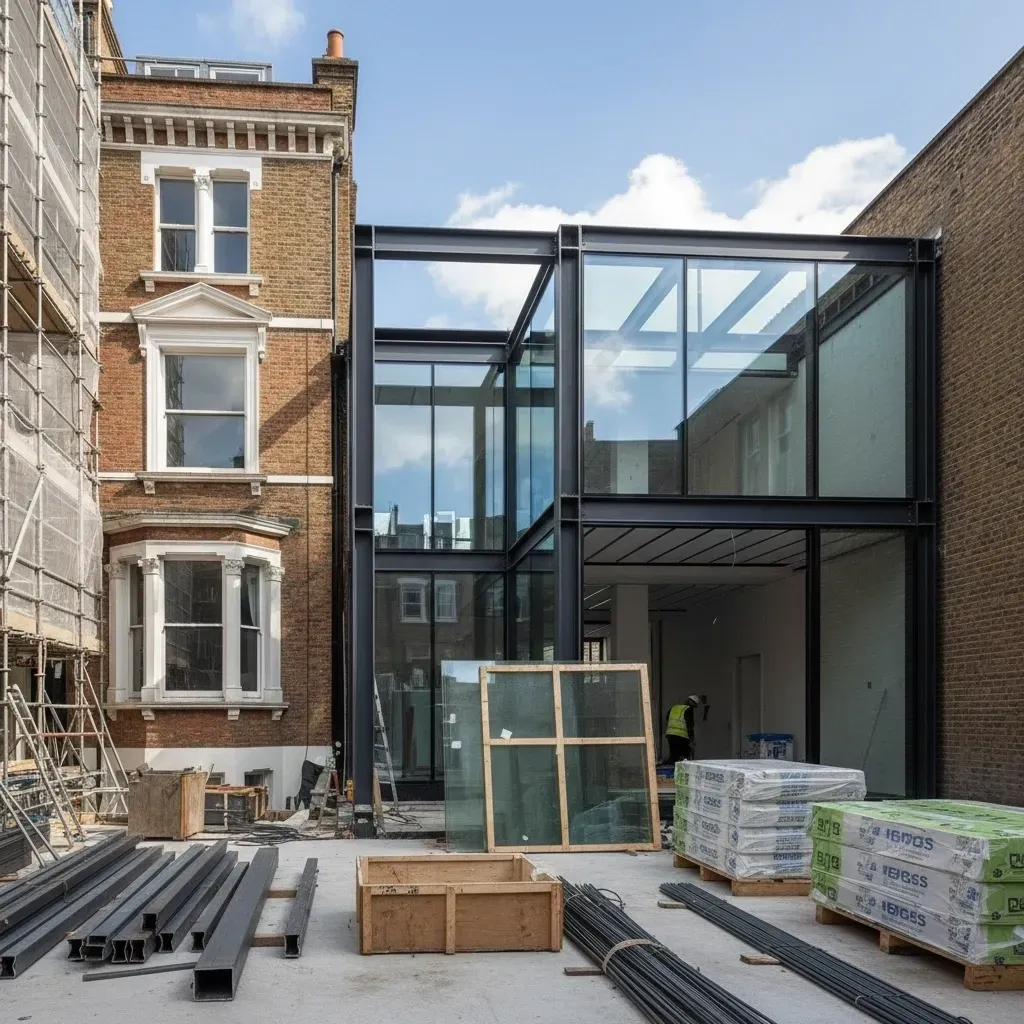
Even seemingly minor additions like small conservatories, garden studios, or modest extensions often need approval in London due to the density of development and the prevalence of conservation areas. Permitted development rights – which allow certain work without planning permission – are often restricted or removed entirely in these sensitive areas.
Before assuming your project is exempt, check with your local planning authority or consult with a qualified professional. It’s always better to apply unnecessarily than to build illegally.
8. You Can Claim Costs for Unreasonable Behavior
If you believe your local planning authority behaved unreasonably and caused you unnecessary expense, you can apply for an “award of costs” as part of your appeal. This isn’t about disagreeing with their decision – it’s about procedural failures or unreasonable conduct.
Examples include missing statutory deadlines due to internal delays, requesting information they already had, or applying policies inconsistently. However, be aware that the authority can also seek costs from you if your appeal is considered unreasonable or if you’ve ignored clear advice about unacceptable proposals.
9. Building Without Permission Is High-Risk in London
The temptation to proceed with construction while appealing or before reapplying can be strong, especially if you’ve already scheduled contractors. However, building without proper permission in London is particularly risky due to strict enforcement policies.
London councils actively monitor development through satellite imagery, neighbor reports, and regular inspections. Getting caught can result in enforcement notices requiring demolition, legal proceedings, and substantial fines. The dense urban environment means unauthorized work is more likely to be spotted and reported.
Even if you eventually get permission, having built without consent can complicate the process and may result in additional requirements or conditions.

10. Professional Guidance Significantly Improves Success Rates
Working with architects or planning consultants who understand London’s specific requirements isn’t just helpful – it’s often essential for complex extensions. They understand local constraints, required specialist consultations, and can anticipate potential council concerns before they become problems.
Experienced professionals also know how to present proposals in ways that align with planning policy language and local priorities. They understand which battles are worth fighting and which concerns are better addressed through design modifications.
At ANDS Architecture, we’ve guided countless London homeowners through successful extension applications, including those that initially faced rejection. Our understanding of London’s diverse planning landscapes – from conservation areas to modern developments – helps identify the most effective path forward for each unique situation.
Moving Forward Strategically
The key to overcoming a planning rejection lies in systematic analysis and strategic response. Understanding exactly why your application was refused allows you to address concerns methodically, whether through design modifications, additional information, or a well-prepared appeal.
London’s planning system, while complex, provides clear pathways for overcoming initial setbacks when approached with the right knowledge and professional support. Your extension dreams don’t have to end with that first rejection letter – they just need to be refined and repositioned for success.
Remember, many successful London extensions started with an initial refusal. What matters is how you respond to that setback and the expertise you bring to your next attempt.