
How Much Does a House Extension Cost?
Planning a house extension? With property prices remaining high, many homeowners choose to improve and extend rather than move. Extension costs can vary significantly depending on the size, specification, location, structural complexity and level of professional input required.
Before setting a construction budget, it is useful to define the scope of work, obtain an architectural design and understand likely planning, technical and consultant requirements. Our residential architecture service and design and build service can help establish a clearer route from early design through construction.
Understanding the UK Extension Cost Landscape
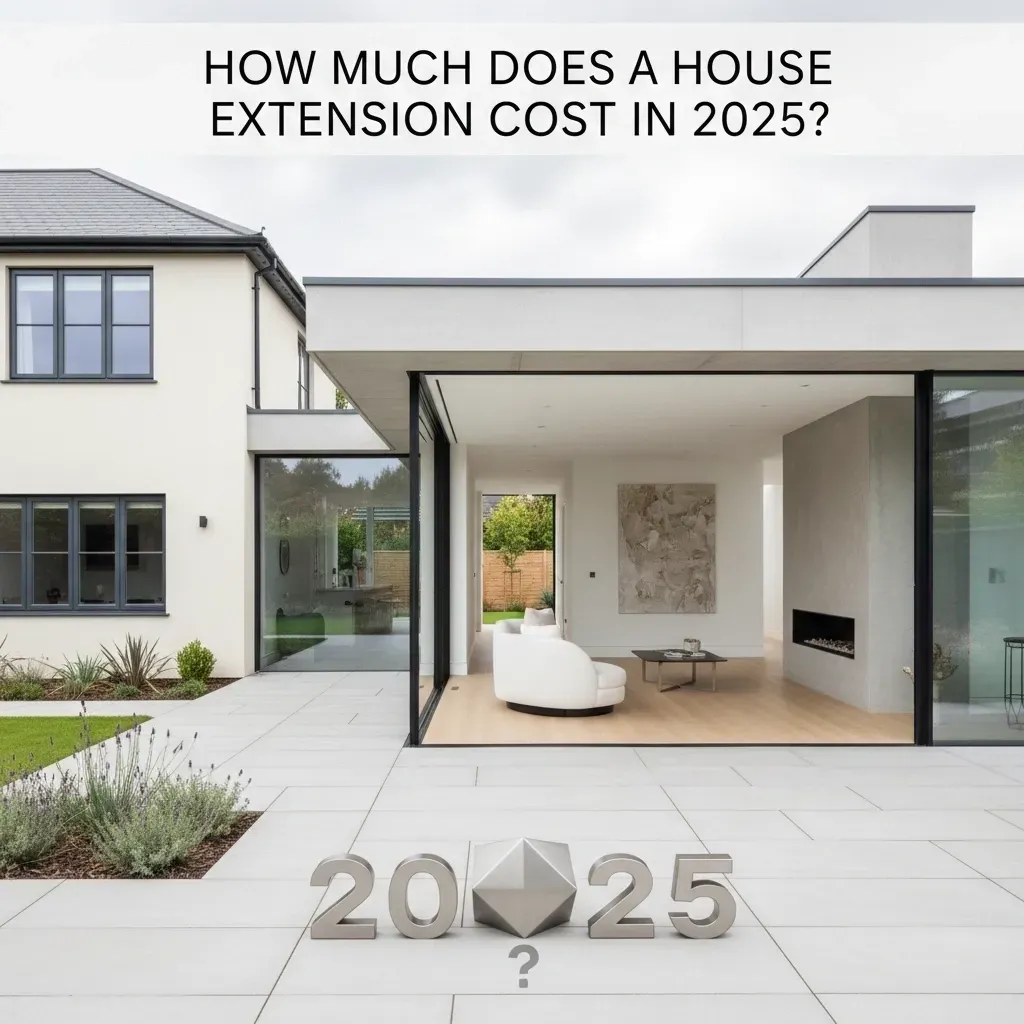
The UK construction industry has seen significant changes in recent years, with material costs, labour shortages, and evolving building regulations all impacting final prices. Current market data shows that basic extensions with essential features typically cost between £1,750 to £3,000 per square metre, but this is just the starting point.
For London homeowners specifically, costs tend to sit at the higher end of these ranges due to increased labour costs, stricter planning requirements, and the premium associated with working in the capital. It’s not uncommon to see costs exceed £2,000 per square metre for projects in prime London locations.
Single-Storey Extensions: The Popular Choice
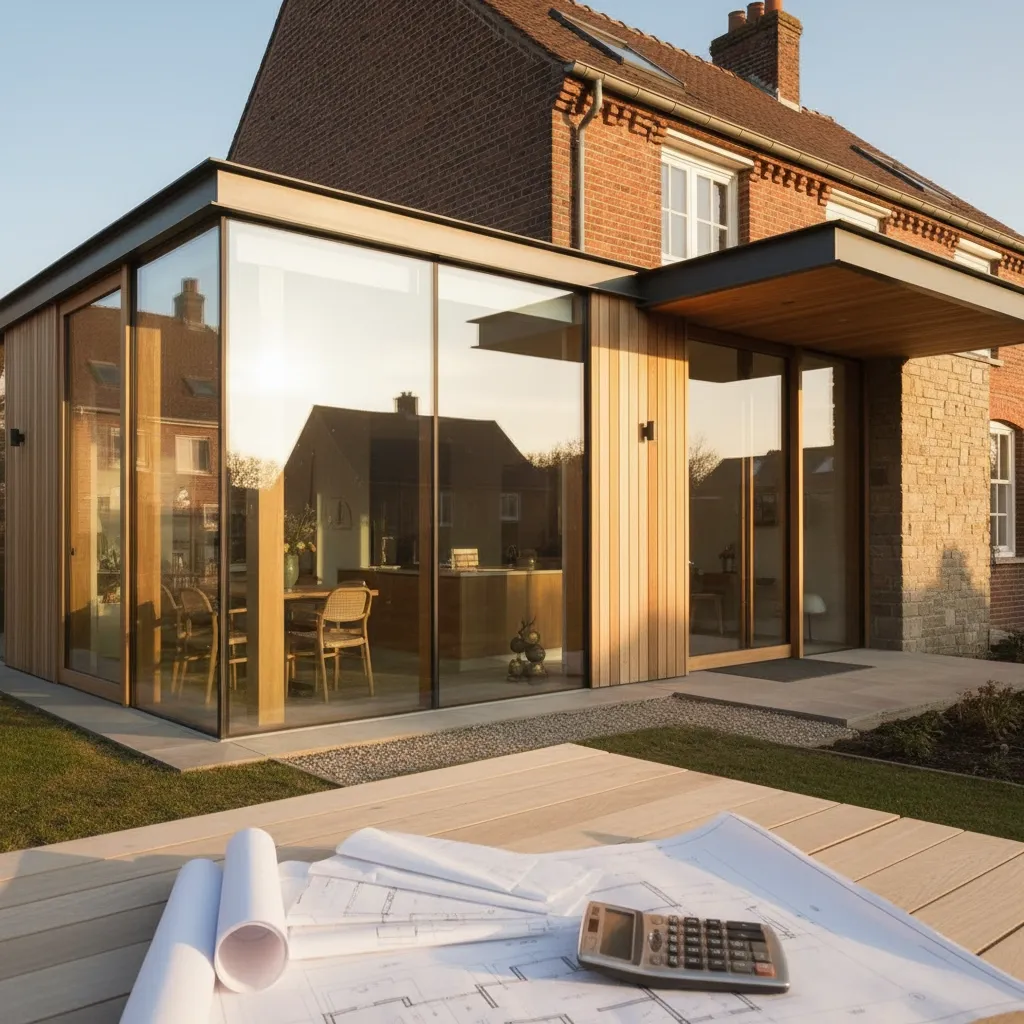
Single-storey rear extensions remain the most popular choice for UK homeowners, and for good reason. They’re generally the most cost-effective way to add significant living space to your home.
Ground-floor rear extensions currently average £86,686, or approximately £2,890 per square metre. This typically includes:
- Structural work and foundations
- Roof construction and waterproofing
- Basic electrical and plumbing connections
- Standard insulation and heating integration
- Basic interior finishes
A typical 25m² single-storey extension will cost between £45,000-£75,000, depending on the specification level and your location. This type of extension is particularly popular for creating open-plan kitchen-dining areas or adding garden rooms that blur the lines between indoor and outdoor living.
Double-Storey Extensions: Maximum Value
While more expensive upfront, double-storey extensions often provide better value per square metre. Current data shows these projects averaging £143,926, or £2,399 per square metre – notably less per square metre than single-storey options due to shared structural elements.
Double-storey extensions are ideal when you need to maximise your additional space within permitted development rights or planning constraints. They’re particularly effective for adding both ground-floor living space and additional bedrooms or bathrooms upstairs.
Specialist Extensions: The Premium Options
Basement Extensions
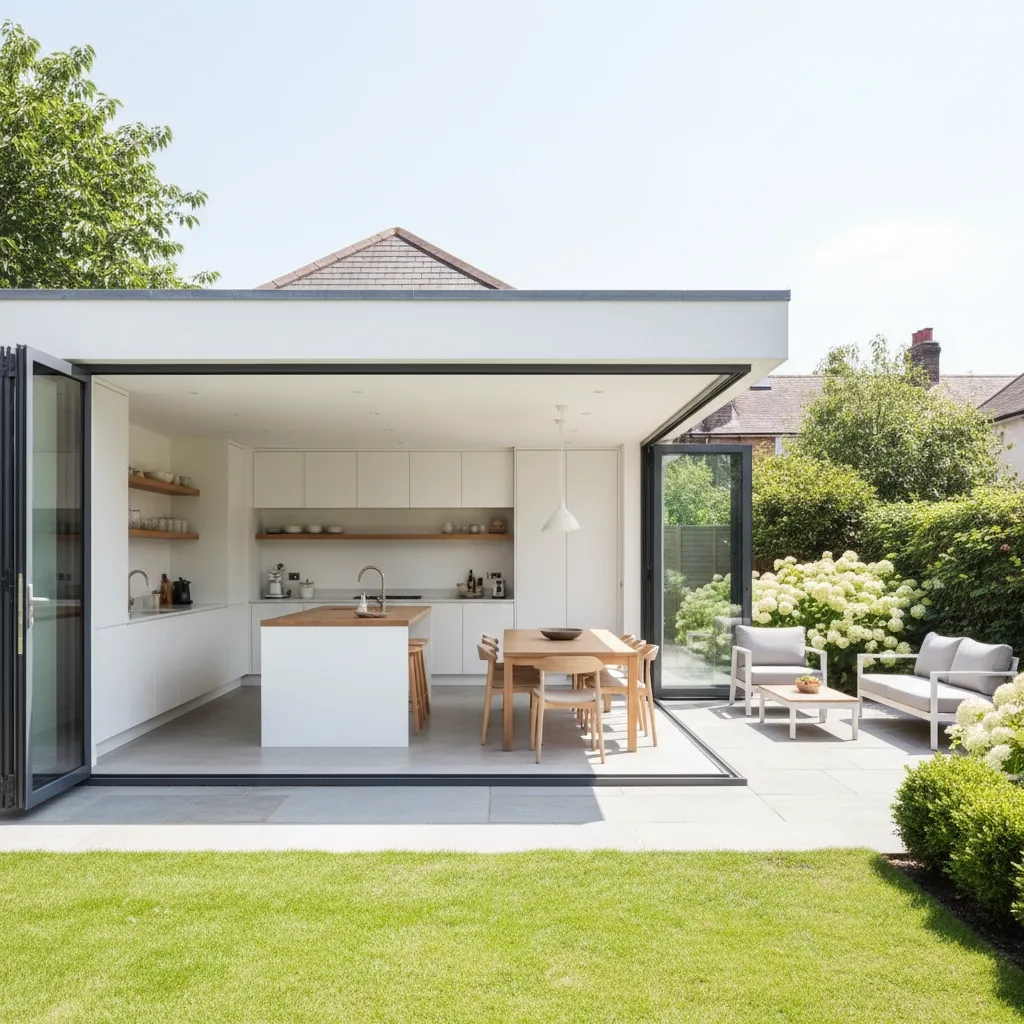
At the premium end of the market, basement extensions range from £100,000 to £160,000. These complex projects involve significant structural work, waterproofing, and often require party wall agreements with neighbours. However, they can add substantial value to London properties where outdoor space is limited.
Garage Conversions
On the more budget-friendly side, garage conversions offer excellent value at £8,500 to £20,000. These projects can quickly add a home office, gym, or additional bedroom without the complexity of new foundations or major structural work.
Loft Conversions
Loft conversions typically fall somewhere in the middle, offering good value for creating additional bedrooms or office space. Costs vary significantly based on the existing roof structure and whether dormer windows are required.
Key Factors That Impact Your Extension Costs
Size and Complexity
While it might seem obvious, the relationship between size and cost isn’t always linear. Larger extensions often benefit from economies of scale, making the cost per square metre more economical. However, complex shapes, multiple roof lines, or challenging access can quickly escalate costs.
Location Matters
London extensions consistently cost more than similar projects elsewhere in the UK. Factors include:
- Higher labour costs
- Increased material transportation costs
- More complex planning requirements
- Limited working space and parking restrictions
- Higher insurance and safety requirements
Specification Level
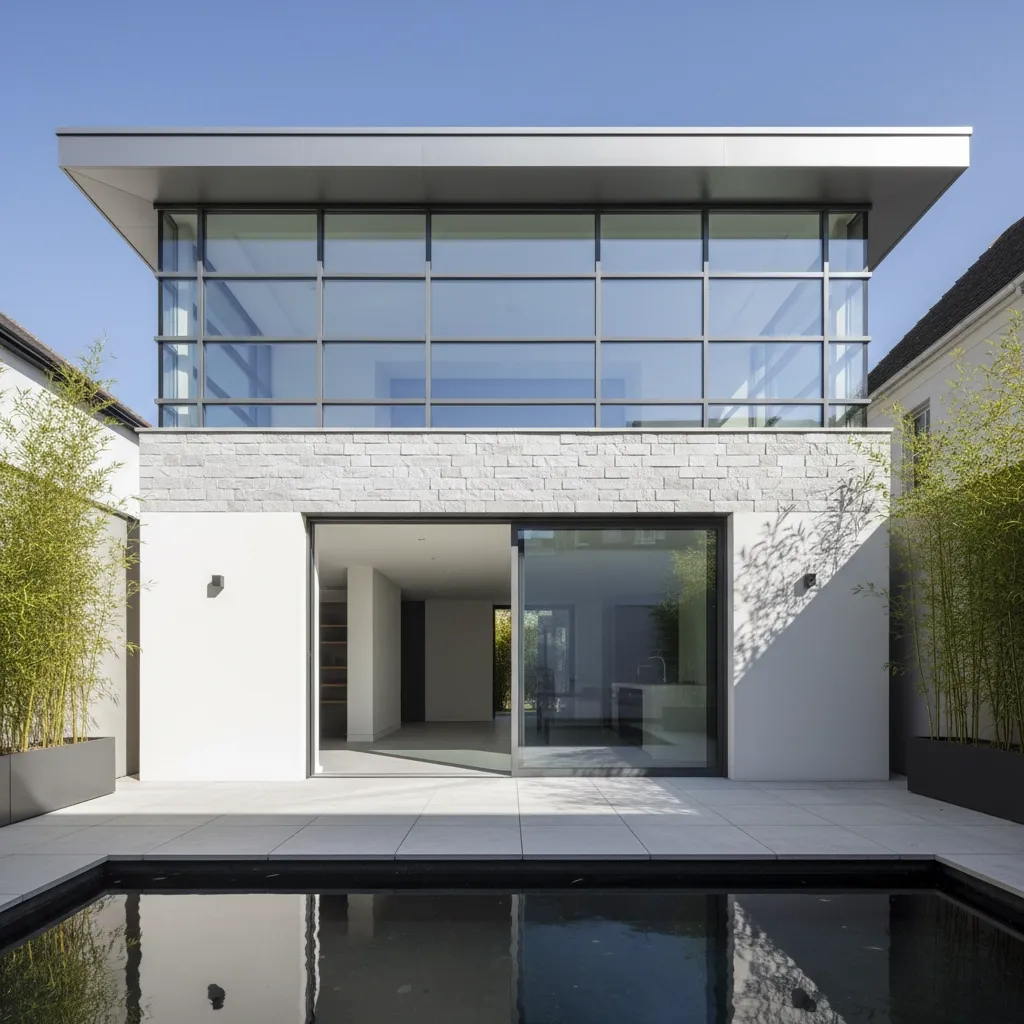
The finish quality you choose dramatically impacts final costs:
Basic Specification: Standard fixtures, basic finishes, minimal custom work
Mid-Range Specification: Better quality materials, some bespoke elements, improved insulation
Premium Specification: High-end finishes, custom joinery, smart home integration, premium appliances
Hidden Costs to Consider
Many homeowners focus solely on construction costs but overlook additional expenses that can add 10-20% to their budget:
Professional Fees
- Architect fees (typically 10-15% of construction cost)
- Structural engineer consultation
- Building control approval fees
- Planning application costs (if required)
Preparatory Work
- Site surveys and soil investigations
- Asbestos surveys (for older properties)
- Utility disconnections and reconnections
- Temporary accommodation during construction
Contingency Planning
Industry best practice recommends setting aside 10-20% of your budget for unexpected issues. These might include:
- Ground condition problems
- Hidden structural issues
- Utility complications
- Weather delays
- Material price fluctuations
Budget Planning Strategies for 2025
Start with Your End Goal
Before getting caught up in cost per square metre calculations, clearly define what you want to achieve. Are you adding space for a growing family, creating a home office, or preparing to age in place? Your functional requirements should drive your budget allocation.
Consider Phased Approaches
If budget constraints are a concern, consider whether your project could be completed in phases. For example, you might complete the structural work and basic fit-out first, then add premium finishes and integrated technology later.
Value Engineering Opportunities
Work with your architect to identify areas where costs can be controlled without compromising the overall design vision. This might include:
- Simplifying roof lines
- Using standard window sizes
- Choosing cost-effective but attractive materials
- Timing your project to avoid peak construction periods
The Planning Permission Factor
While many extensions fall under permitted development rights, projects requiring planning permission add both time and cost to your project. The process typically adds 8-12 weeks to your timeline and can cost several thousand pounds in professional fees.
Understanding planning permission requirements early in your planning process is crucial for accurate budget and timeline projections.
Future-Proofing Your Investment
2025 extension costs should also factor in future-proofing elements:
Energy Efficiency: While adding insulation and efficient heating systems increases upfront costs, they provide long-term savings and add value to your property.
Smart Home Integration: Pre-wiring for smart home technology is much cheaper during construction than retrofitting later.
Adaptable Spaces: Designing flexible spaces that can evolve with your changing needs maximises your investment’s longevity.
Working with Professionals
The complexity of modern extensions makes professional guidance essential. A good architect won’t just design your space – they’ll help you maximise your budget, navigate planning requirements, and avoid costly mistakes.
At ANDS Architecture, we’ve seen how proper planning and design can significantly impact project costs. Our design-build services are specifically structured to provide cost certainty while delivering exceptional results.
Looking Ahead: Extension Costs in 2025
Current market indicators suggest extension costs will remain stable through 2025, with modest increases in line with general inflation. The key to managing costs effectively lies in thorough planning, realistic budgeting, and working with experienced professionals who understand both the opportunities and challenges of extending London homes.
Whether you’re considering a simple single-storey extension or a complex multi-level addition, understanding these cost factors will help you make informed decisions and achieve the additional space your family needs within a budget that works for your circumstances.
Remember, a well-planned extension isn’t just an expense – it’s an investment in your property’s value and your family’s quality of life. With careful planning and realistic budgeting, your 2025 extension project can deliver the space and functionality you need for years to come.